Roof Repairs
Repairs on Hills District roofs, where blocked valleys under established gums and corroded valley iron cause most leaks.
Learn more →Clean, rebed, repoint and recoat tired tile roofs in Winston Hills, Baulkham Hills, Castle Hill and Cherrybrook. Free inspection, photos included.
Winston Hills was built out from the 1960s. Big stretches of Baulkham Hills, Castle Hill and Kellyville followed through the 1970s and 1980s. Cherrybrook and Glenhaven filled in over former orchard land in the 1980s and 1990s. Almost all of it went up as brick veneer or full brick with a concrete tile roof.
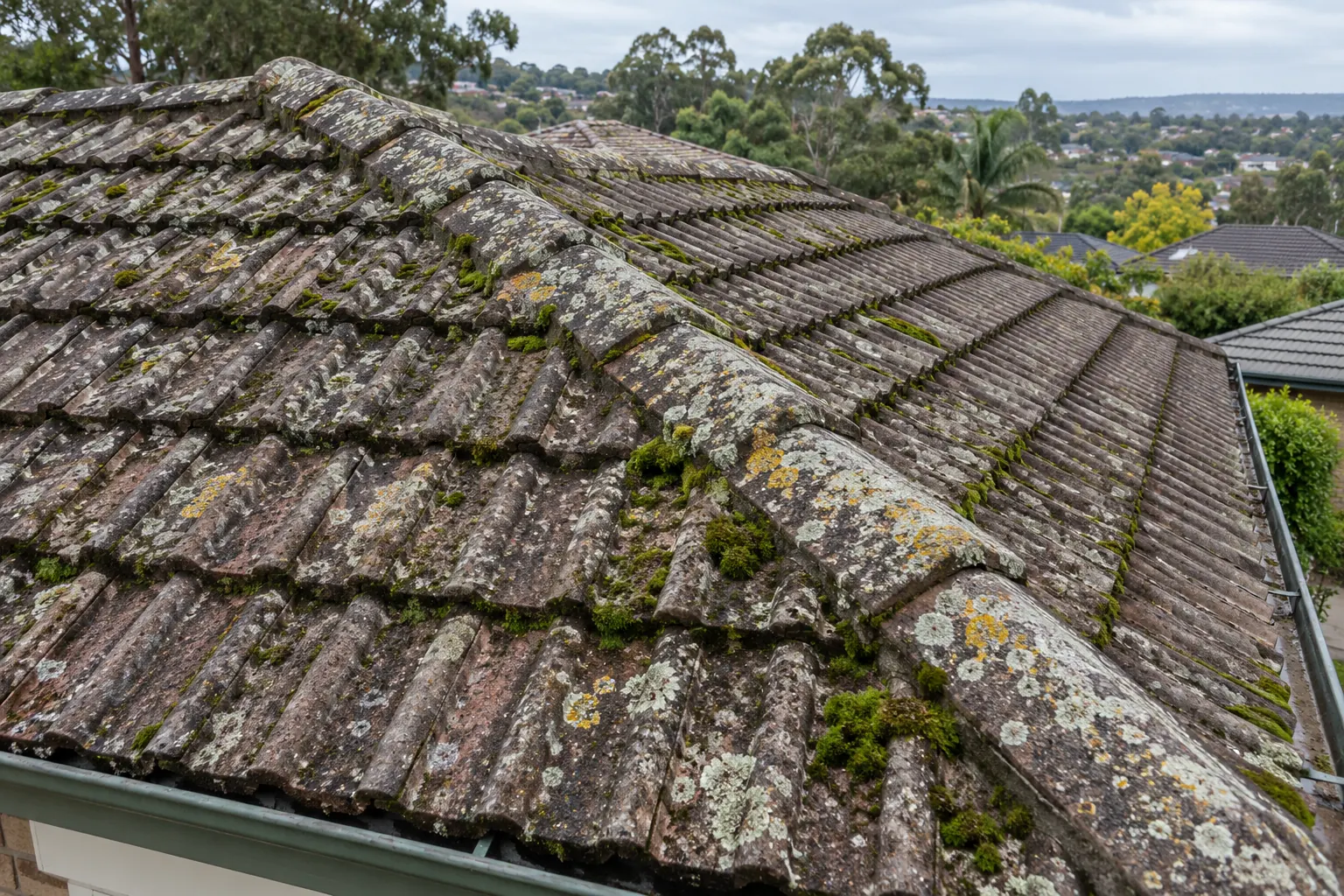
Those tiles are often still fine. What has expired is everything holding them together and protecting them: the mortar bedding under the ridge caps, the pointing over it, the surface glaze on the tile itself, and the sarking underneath.
That is the exact condition a restoration is designed for — and it is a fraction of the cost and disruption of a full replacement.
A restoration done properly is a sequence, and skipping the middle of it is how roofs get a fresh coat of paint over a live leak.
Walk the roof, check a representative sample of tiles for cracking and surface breakdown, look at the ridge lines, the valleys, the flashings and the gutters. Then into the roof space to check the sarking, the battens and any water tracking. If the tiles have delaminated or the battens are soft, a restoration is the wrong product and we will say so.
Moss, lichen, accumulated gum leaf, bark and the oxidised remains of the old coating all come off. Gutters, valleys and downpipes are cleared as part of this, because everything that leaves the roof has to go somewhere. On a heavily treed block this stage alone often reveals two or three defects that were hidden under growth.
Cracked and broken tiles out, matched tiles in. Rusted valley iron replaced. Flashings re-detailed where they have failed. This is the part that actually stops leaks.
Old, drummy mortar bedding is removed and the caps are rebedded in fresh mortar. On a Hills roof with long hip runs on a two-storey home, this is a substantial part of the labour.
Flexible pointing over the fresh bedding, which moves with the roof instead of cracking off it. This is the single most important waterproofing element at the top of a tile roof.
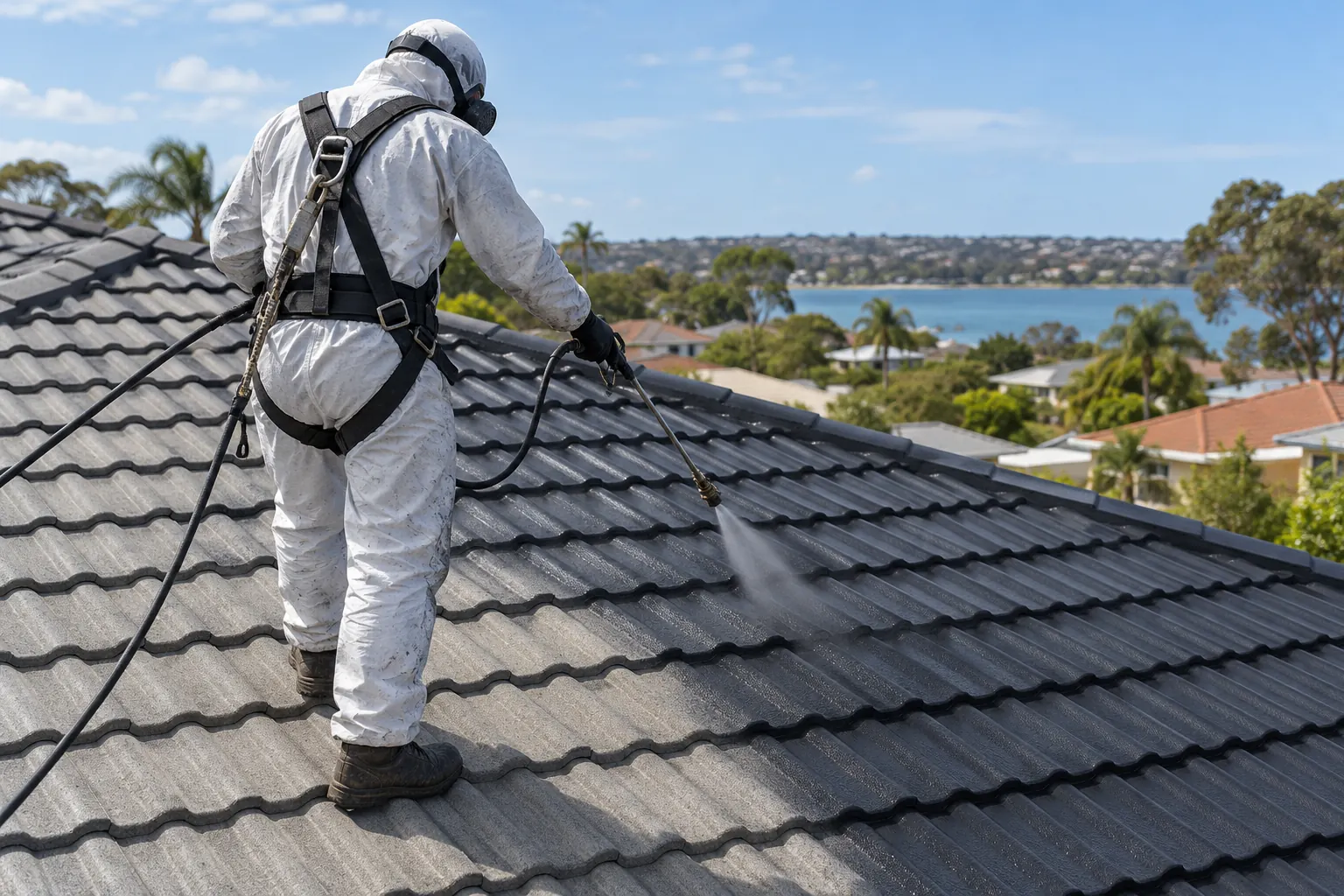
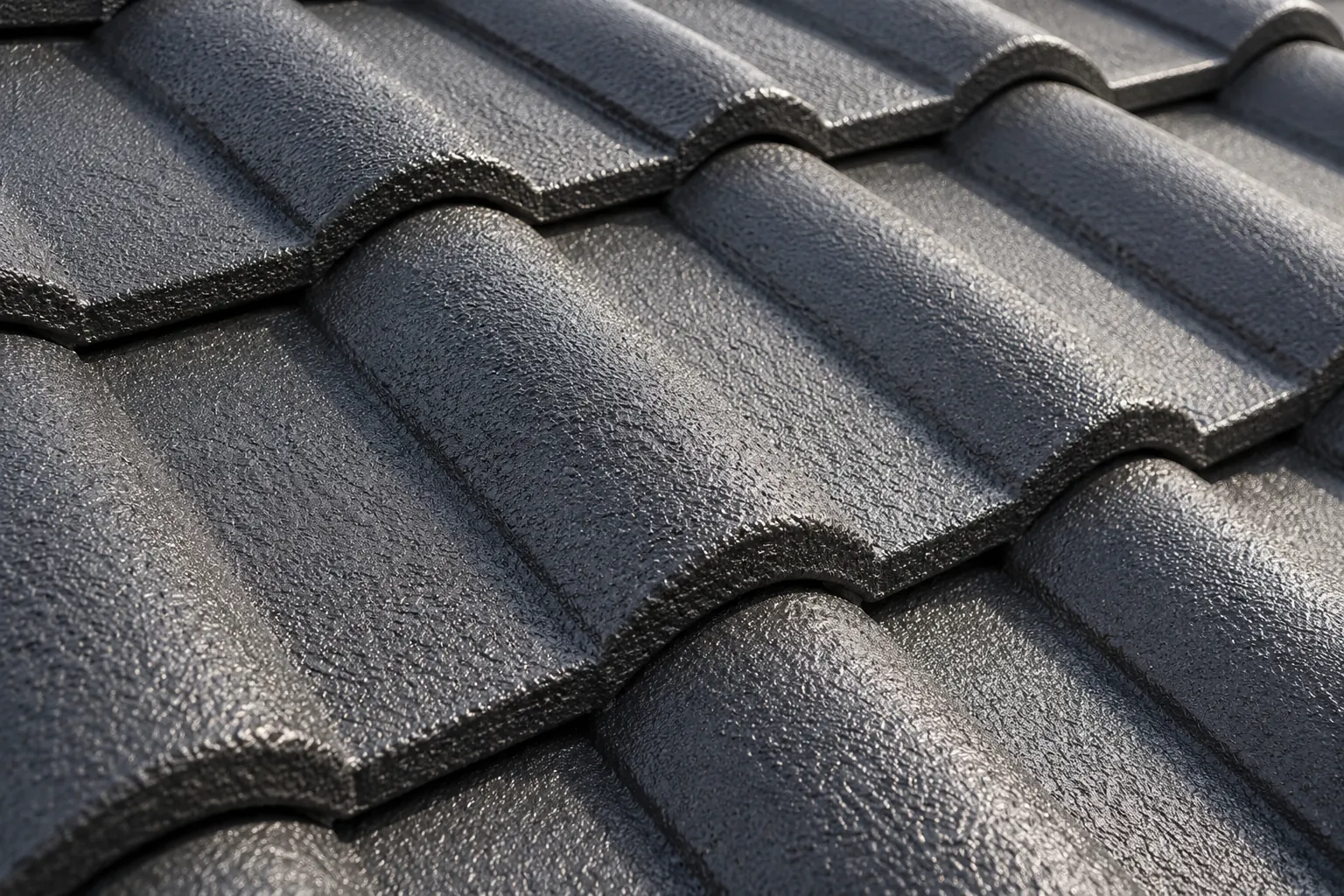
A primer or sealer into the porous tile surface, then coats of a roof membrane rolled or sprayed to even coverage. The coating protects the tile and restores the colour. It is the last step, not the whole job.
Suburbs sitting against Cumberland State Forest, Bidjigal Reserve and the Berowra Valley bushland carry a permanent organic load. West Pennant Hills, Cherrybrook, Glenhaven, Galston and the treed parts of Castle Hill are the clearest examples.
Practically, that means:
We would rather tell you up front than take the job:
The inspection is free, you get photographs of the ridge lines and tile condition, and the written quote follows. No obligation either way.
Call (02) 9100 0388 to talk about your roof, or request a free inspection.
Tile restoration in Winston Hills, Baulkham Hills, Cherrybrook and every suburb on the service areas list.
Repairs on Hills District roofs, where blocked valleys under established gums and corroded valley iron cause most leaks.
Learn more →Re-roofing large two-storey Hills homes and acreage properties, where access and roof complexity drive the job as much as floor area.
Learn more →Colorbond roofing across the Hills, from Castle Hill rebuilds to long shed and acreage roof runs at Kenthurst.
Learn more →Gutter replacement and heavy-duty leaf guard for Hills properties ringed by mature gums.
Learn more →Storm response across the Hills, including fallen-limb damage and wind-lifted ridge capping and sheet.
Learn more →Detailed roof inspections across the Hills District, including the two-storey and hard-access roofs other inspectors skip.
Learn more →Shade and moisture. The southern plane gets less sun, dries more slowly after rain and dew, and under established gums it may barely dry at all between showers. Moss and lichen colonise that face first. It is not usually a structural problem on its own, but it holds water against the tile surface and speeds up the breakdown of an old glaze or coating.
It is only worth doing if the structural steps come first. Cleaning, replacing broken tiles, rebedding ridge caps in fresh mortar and repointing with a flexible compound are the parts that stop water getting in. The coating protects the tile surface and makes the roof look renewed, but a coating sprayed over crumbling pointing is cosmetic and will disappoint you in two winters.
On concrete tiles that are still structurally sound, a properly done restoration commonly resets the roof for a long stretch, with repointing and coating being the elements that wear again rather than the tiles. The honest answer depends on the tiles themselves. We photograph a sample of tiles up close during the inspection so you can judge their condition rather than take a verbal assurance.
Yes. The noisiest stage is the high-pressure clean, and the messiest is the rebedding, when old mortar comes off. Windows stay shut on cleaning day, cars move off the driveway, and anything precious under the eaves gets covered. It is disruptive for a day or two rather than for the whole job, and the house is not opened up at any point.
It has to be managed, and it is a genuine issue rather than a formality. On a potable catchment the tank is isolated before cleaning and coating, the first-flush arrangements are checked, and the coating system has to be suitable for a drinking-water catchment. The water used for cleaning is also worth planning, because a large acreage roof takes a lot of it.
Tell us what you need and we'll get straight back to you. Prefer to talk? Call (02) 9100 0388 and speak to someone local.
Call (02) 9100 0388